 how-to
How to Check What Your Repair Guarantee Covers
Last Updated: November 2, 2026
Quick Summary
A repair guarantee is a promise from the company that did the work, or from a service contract provider, to fix certain problems at no extra charge for a set period. Check whether it covers parts, labor, service call fees, consequential damage and transferability, and whether the terms are written down.
- Confirm in writing whether the guarantee covers parts, labor, or both.
- Check whether service call or trip fees are waived for warranty return visits.
- Read the exclusions, such as storm damage, pests, wear and tear, and outside work.
- Note the exact start and end dates of coverage on your paperwork.
- Report any failure promptly and keep dated records of every contact.
Table of Contents
- What a Repair Guarantee Actually Promises
- Parts and Labor Coverage: What Is Included
- Common Home Repair Warranty Exclusions
- How Long Does a Repair Warranty Last?
- Guarantee Versus Warranty: The Legal Difference
- Step-by-Step Repair Guarantee Claim Process
- Book a Repair Visit and Get Your Guarantee in Writing
- Frequently Asked Questions
What a Repair Guarantee Actually Promises
A repair guarantee is a promise from the company that did the work, or from a service contract provider, to fix certain problems at no extra charge for a set period. This guide explains the basics so you can read your own paperwork with confidence. Most homeowners never look closely at what a guarantee covers until something breaks again. Knowing the terms ahead of time saves time, money, and frustration.
Many repair guarantees cover the quality of the work itself. If a repaired outlet fails because of a wiring mistake, the guarantee should cover the fix. Some guarantees also cover the replacement parts used in the repair. Others only cover labor.
Here is what a typical repair guarantee tends to include:
- Repairs to the specific problem that was fixed
- Labor to redo faulty workmanship
- Replacement parts that failed under normal use
- A set time period, often 30 days to one year
A guarantee does not cover everything. It usually protects only the repaired item, not unrelated systems in the home.
Parts and Labor Coverage: What Is Included
Parts and labor are the two main costs in any repair, so the guarantee should say clearly which one it covers. A guarantee that covers parts but not labor can still leave you paying a technician to come back and install the replacement. The reverse is just as common: labor-only coverage means you pay for the new part out of pocket even though the work itself is redone for free.
Before you authorize a repair, read the guarantee document with a pen in hand and check each of these items:
- Parts coverage: Does the guarantee replace defective parts at no charge, and does it specify new, rebuilt, or aftermarket parts? A clause that says "replacement parts of like kind and quality" may allow a rebuilt part rather than a new one.
- Labor coverage: Does it pay for the time to diagnose and redo the problem, or only the installation? Diagnostic fees are frequently excluded even when the repair itself is covered.
- Brand or model limits: Some guarantees only cover the exact part number or model installed. If a substitute part was used, confirm it is listed on the invoice.
- Service call or trip charges: Many guarantees cover the repair but still charge a service call fee each visit. Ask whether that fee is waived for warranty returns.
- Consequential damage: If a failed repair damages something else, a leaking valve that ruins a cabinet, for example, check whether the guarantee covers the secondary damage or only the original repair.
- Transferability: If you sell the home or the equipment, does the guarantee follow the property or end with your ownership?
Watch out: a guarantee that promises "full coverage" without listing parts and labor separately may leave out the costly pieces, and a verbal assurance is not the same as the written terms. Ask for the coverage in writing before you sign, and keep the signed copy with your invoice.
A practical habit is to compare the guarantee's parts and labor language against the invoice line items. If the invoice lists a part and a labor charge, the guarantee should state how each is handled on a return visit. When the document is silent on one of them, treat that item as uncovered until the provider confirms otherwise in writing.
The guarantee should spell out how each cost is handled on a return visit. Use this checklist to compare the terms against your invoice.
| Coverage item | What to check | Watch for |
|---|---|---|
| Parts | Replaced at no charge, new or rebuilt | "Like kind and quality" may mean rebuilt |
| Labor | Diagnosis and rework included | Diagnostic fees often excluded |
| Brand or model | Matches the part on the invoice | Substitute parts may not be covered |
| Service call fee | Waived for warranty returns | Fee may still apply each visit |
| Consequential damage | Secondary damage covered | Often limited to the original repair |
| Transferability | Follows the property or equipment | Often ends with your ownership |
Common Home Repair Warranty Exclusions
Almost every home repair warranty has exclusions, which are situations the guarantee does not cover. Reading these carefully helps you avoid surprises. Common exclusions include:
- Damage from storms, floods, or fires
- Problems caused by pests or animals
- Normal wear and tear over time
- Damage from misuse or poor maintenance
- Work done by someone other than the original service provider
- Problems in areas outside the repaired item
If you are unsure whether a problem is excluded, ask the provider before you assume it is covered or not covered. A short phone call can save a lot of trouble later.
How Long Does a Repair Warranty Last?
The length of a repair guarantee varies a lot. Some offer 30 days of coverage, while others run for a year or more. The start date matters too. Some guarantees begin on the day of the repair, while others start when you receive the final invoice.
Check these points in your paperwork:
- The exact start date of coverage
- The end date, written out clearly
- Whether the period is extended if you call for a warranty visit
- Any conditions that could end coverage early
Keep your invoice and warranty document in a safe place. You will need them if you ever file a claim.
Guarantee Versus Warranty: The Legal Difference
People often use "guarantee" and "warranty" as if they mean the same thing, but they can carry different legal meanings. A warranty is usually a formal, written promise about the product or service, and it is often defined by law. In the United States, the Magnuson-Moss Warranty Act is a federal law that sets rules for consumer product warranties (the FTC). A guarantee is often a simpler promise from the business, and its terms depend on what the business puts in writing.
This difference can matter when you need to make a claim. A written warranty may give you certain legal rights, while a verbal guarantee may be hard to enforce. Always ask for the promise in writing, and read whether it is labeled a warranty, a guarantee, or both.
Step-by-Step Repair Guarantee Claim Process
If a repaired item fails within the coverage period, follow these steps to file your claim:
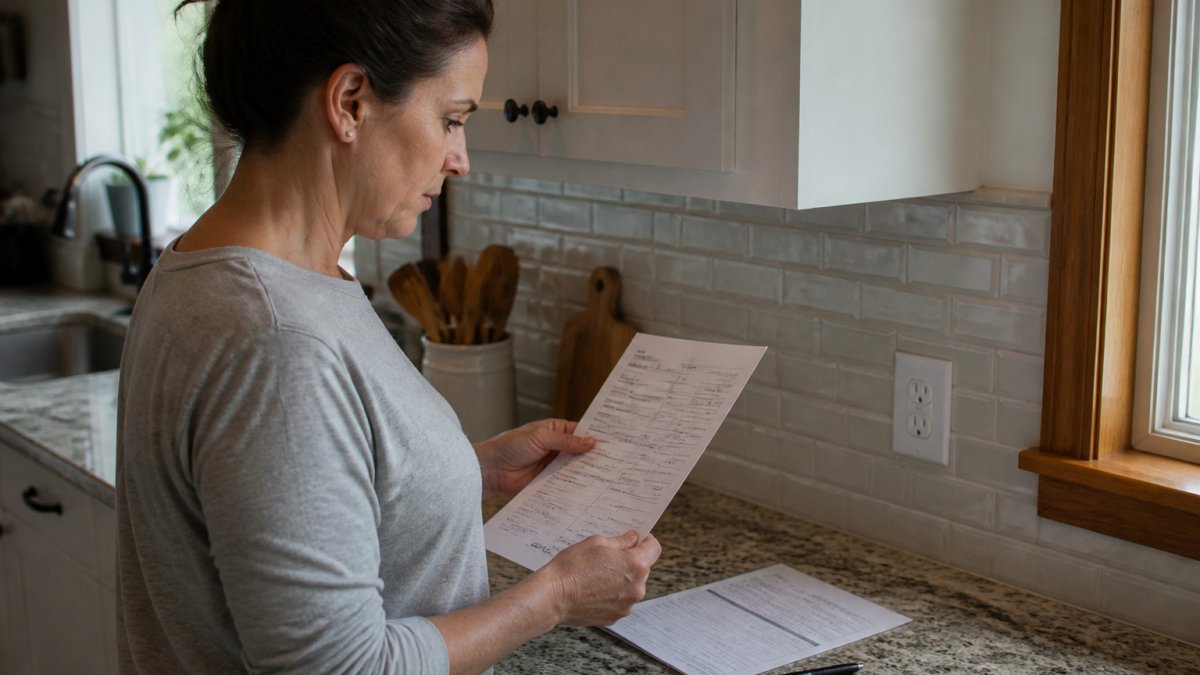
- Gather your records. Find your invoice, warranty paperwork, and any notes from the repair.
- Document the problem. Take photos or short videos showing the issue, and note the date and time it first appeared.
- Contact the original provider. Call or email them as soon as you notice the failure, and use the contact method the guarantee specifies.
- Describe the problem clearly. Explain when it started, what you have already tried, and why you believe it is a workmanship or parts failure rather than wear or unrelated damage.
- Schedule the warranty visit. Ask for the earliest date that fits your schedule and confirm whether a service call fee applies.
- Keep a written record. Save emails, call times, and the names of the people you speak with.
- Confirm the outcome in writing. Get the final resolution, repair, replacement, or refund, documented before you close the claim.
A common mistake is waiting too long to report the problem. Many guarantees require prompt notice, so report failures as soon as you spot them.
What Happens When a Covered Repair Fails Again
This is the question most guarantee documents answer poorly, and it is worth pinning down before you need it. When a covered repair fails a second time, the outcome usually depends on three things: whether the failure is the same defect or a new one, whether the guarantee period restarts after the rework, and whether the provider repairs, replaces, or refunds.
- Same defect, repeat visit: Most guarantees cover rework of the same problem within the original period. Ask whether the clock resets after the second repair or continues from the first invoice date.
- New or unrelated failure: A different problem in the same item is often treated as a new repair and may not be covered under the original guarantee.
- Replacement or refund: Some written guarantees promise a replacement part or a refund if the same repair fails a set number of times. That trigger is rarely automatic, so ask what the threshold is.
- Parts warranty versus labor guarantee: A manufacturer's parts warranty may outlast the installer's labor guarantee. If the part fails after the labor period ends, you may get the part free but still pay for installation.
How to Challenge a Denied Claim
If the provider denies the claim, do not stop at the first no. Ask for the denial in writing and request the specific guarantee clause the provider is relying on. Compare that clause to your copy of the terms. If the denial cites wear and tear or misuse, ask what evidence supports that finding. Escalate in writing to a supervisor, keep a dated log of every contact, and state plainly what resolution you are seeking. If the provider is a manufacturer or retailer and the item carries a written warranty, the Magnuson-Moss Warranty Act gives you a federal framework for enforcing warranty obligations, and your state attorney general's consumer protection office can explain local complaint options. For home service contracts, your state's insurance or consumer affairs regulator may oversee how the contract is sold and administered.
Book a Repair Visit and Get Your Guarantee in Writing
Before you hire anyone for a repair, ask for the guarantee terms in writing, including what parts and labor are covered, how long coverage lasts, and what is excluded. Our Butler County questions to ask a handyman list the points to raise before you commit. Handy Horrigan LLC serves homeowners in Southwest Ohio and can walk you through the coverage for your specific repair. Pricing depends on the job, so contact us for a quote on our website, and check the best home repair warranty options to compare guarantee terms before you decide.
Frequently Asked Questions
What is usually covered by a repair guarantee?
A repair guarantee usually covers the specific repaired work, including the replacement parts installed and the labor needed to fix the defect. Coverage typically applies to failures caused by faulty workmanship or defective parts within the guaranteed period. Read the written terms to confirm whether parts and labor are both included, and whether the coverage applies only to the repaired component or to related systems. Ask the provider to put the coverage details in writing before the work begins.
Does a repair guarantee cover damage caused by another problem?
Usually not. Most repair guarantees cover only the item that was repaired and the defect that was fixed. If a separate failure, such as a power surge, accident damage or misuse, causes new damage, that damage is often excluded. Ask the provider how they handle related failures, and document the cause of any new problem when it appears so you can present accurate information during a claim.
How do you make a claim under a repair guarantee?
Contact the provider in writing as soon as the same problem returns, and include your invoice, the date of the original repair and a clear description of the symptoms. Keep photos or notes showing the failure. Ask for the claim decision in writing. If a claim is denied, ask for the specific term that was applied and request a written explanation, then compare that term against your original agreement.