 blog
What Should You Ask Before Hiring a Handyman in Butler County?
Last Updated: October 26, 2026
Quick Summary
Handyman services Butler County typically handle minor repairs like painting, drywall patching, faucet replacement, ceiling fan installation, and general maintenance. Before hiring, ask about licensing, insurance, experience with your specific repair type, availability, and get a detailed written estimate that includes materials, labor costs, timeline, and payment terms.
- Request current copies of licensing and insurance verification, not verbal confirmation, and verify the license online with your state's contractor board.
- Ask whether the job requires a permit or crosses into licensed trade work like electrical panels, water heaters, or structural changes.
- Compare estimates from at least two providers and normalize them by asking each for hourly rate, flat fee, minimum charge, materials inclusion, and trip fees.
- Avoid providers who demand full payment upfront, won't provide written estimates, pressure you to decide immediately, or claim they can handle any job.
- Use the free estimate visit to evaluate communication style, ask clarifying questions, and judge whether they listen to your concerns and respect your home.
Table of Contents
- Why Asking the Right Questions Matters for Local Handyman Services in Butler County
- Questions to Ask a Handyman Before Hiring
- Common Handyman Repairs You Should Understand Before Hiring
- Getting and Comparing a Handyman Estimate Checklist
- Understanding the Cost of Handyman Services in 2026
- Red Flags: When to Look for a Different Provider
- Getting a Free Estimate from a Trusted Handyman
- Frequently Asked Questions
Why Asking the Right Questions Matters for Local Handyman Services in Butler County
Hiring a handyman feels straightforward until something goes wrong.
We've seen Butler County homeowners waste time and money hiring handyman services on price alone or a single referral.
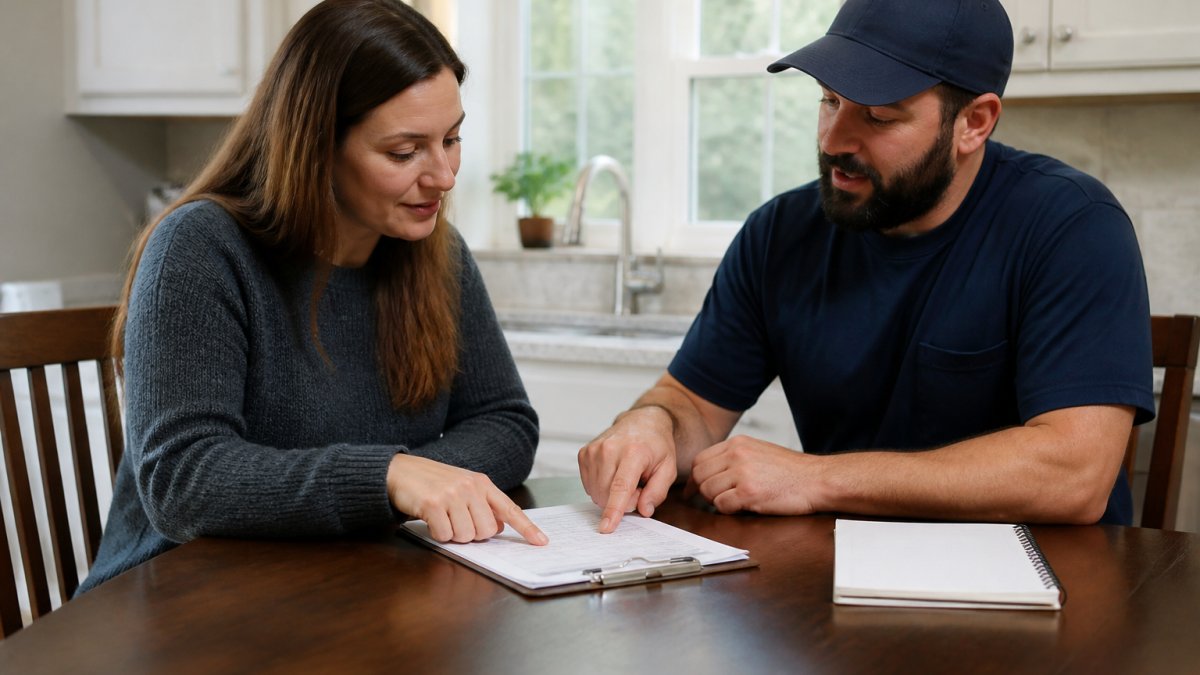
Questions to Ask a Handyman Before Hiring
Before you commit to hiring anyone, get answers to a few critical questions. These details directly affect whether the job gets done right.
Licensing, Insurance, and Credentials
"Are you licensed and insured?" Many homeowners skip this because they assume the answer is yes. It isn't always.
A licensed handyman understands local building codes, and insurance protects you if someone is injured or damage occurs on your property. Without it, you're personally liable.
Ask: "What's your license number, and can I verify it online?" and "What does your insurance cover, and what's your policy limit?" A professional will have these ready.
Availability and Response Times
"How quickly can you get to my job, and what's your typical turnaround?" This matters especially for a plumbing leak or electrical issue needing urgent attention.
Some book weeks out; others can fit you in within days.
Also ask: "If something goes wrong after you finish, how quickly can you come back to fix it?" A reliable provider will have a clear process for callbacks.
Experience with Your Specific Repair Type
"Have you done this exact type of repair before?" Don't accept vague answers like "I do all kinds of work." You need specifics.
For drywall repair, ask how often they've done it and for references from similar jobs.
The worst time to discover someone doesn't know what they're doing is halfway through the job. An experienced handyman will give concrete examples and explain their process.
Common Handyman Repairs You Should Understand Before Hiring
Knowing where a handyman's scope ends is as important as knowing what they can do. This section draws the line between a handyman job and one that legally or practically needs a licensed specialist, so you hire the right person the first time.
Jobs that typically fit a handyman
These are the repairs most handymen handle routinely, usually without trade-specific licensing:
- Painting and drywall. Interior touch-ups, patching nail holes and small dings, and repainting a room. Larger drywall replacement or texture matching is a step up in skill and should be quoted separately.
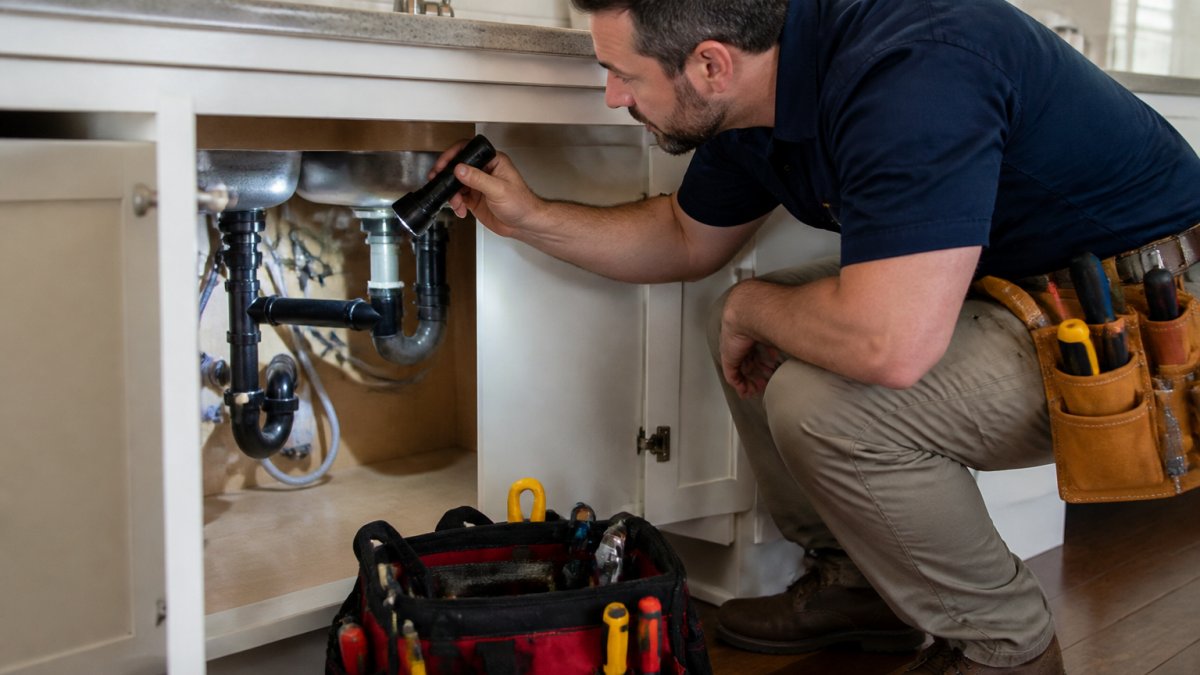
- Minor plumbing. Replacing a faucet, repairing a running toilet, clearing a slow drain, or swapping a showerhead. Anything that involves opening a wall, replacing a supply line behind drywall, or working on a water heater usually moves to a licensed plumber.
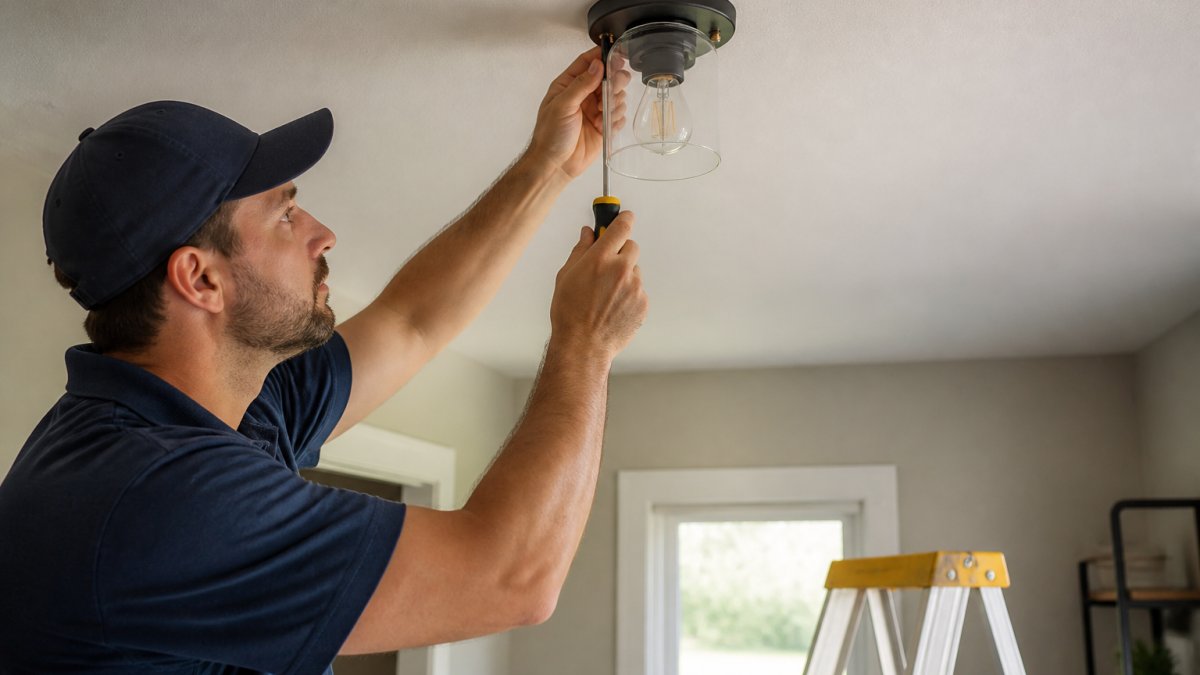
- Minor electrical. Installing a ceiling fan, replacing an outlet or switch, or mounting a TV with a power kit. New circuits, panel work, and anything requiring a permit generally require a licensed electrician.
Where the line sits: job-size and licensing limits
A useful rule of thumb: if the work requires a permit, a new circuit, moving a drain or supply line, or structural changes, it's outside general handyman scope. A good handyman will tell you when your job crosses that line and refer you to the right trade, that honesty signals a professional, not a reason to keep shopping.
Older homes need a closer look
Homes built before 1980 often have systems that change the scope of a "simple" repair. Corroded supply lines, ungrounded outlets, and layered drywall patches can turn a small job into one needing a specialist. Ask whether they've worked on homes of similar age and what they found. Common plumbing issues in older homes show why experience with older systems matters, it helps spot problems before they become callbacks.
How to confirm fit before you book
Describe the job specifically and ask: "Is this within your scope, and if not, who should I call?" and "Will this require a permit?" A provider who answers both clearly and without pressure is telling you exactly how they work.
Getting and Comparing a Handyman Estimate Checklist
A proper estimate is your roadmap, laying out exactly what's being done, how long it should take, and what it will cost.
When requesting an estimate, be specific. Don't just say "fix my bathroom sink", explain that it won't drain and you've already tried a plunger.
A good estimate should include:
- Detailed description of the work to be done
- Materials needed and whether they're included in the price
- Labor cost and estimated time
Ask if the estimate is binding or if costs might change once work starts.
Compare estimates from at least two providers. You're evaluating whether they understand your job the same way, ask good questions, and offer a realistic timeline. A detailed, specific estimate usually signals a handyman who knows their business better than one who quickly quotes a round number.
| Estimate Element | What to Look For | Red Flag |
|---|---|---|
| Description of work | Specific, detailed, matches your request | Vague or generic language |
| Materials listed | Itemized with costs | "Materials TBD" or no breakdown |
| Labor estimate | Clear hourly rate or flat fee with time estimate | No time estimate given |
| Timeline | Specific start and end dates | "Sometime next week" |
| Payment terms | Clear schedule, usually 50% deposit | Full payment upfront demanded |
| Warranty | Stated in writing, specific timeframe | No guarantee mentioned |
Understanding the Cost of Handyman Services in 2026
Pricing is where most handyman searches stall. This section covers what a job actually costs, what the minimum charge is, and how an estimate is built, so you can compare quotes apples to apples.
How handyman pricing is usually structured
Most local handymen use one of three models, and each behaves differently when you compare bids:
- Hourly rate. You pay for time plus materials. Common for diagnostic work, punch lists, and jobs where scope is unclear until something is opened up. The risk is that a slow worker at a low hourly rate can cost more than a fast worker at a higher one.
- Flat or project fee. A single price for a defined scope. Better for predictable jobs like TV mounting, furniture assembly, or replacing a faucet. The trade-off is that change orders, "that part will cost extra", are where flat fees drift.
- Trip or minimum charge. Many providers set a minimum service call, often covering the first hour or the first visit regardless of how small the job is. This is the number that surprises homeowners most, so ask for it before you book.
What actually moves the price
Five variables explain most of the difference between two quotes for the same repair:
- Job complexity and access. A faucet swap on an open cabinet is not the same as the same swap behind a crowded vanity. Access drives labor time more than the part does.
- Materials. Whether materials are included, marked up, or billed at cost with a receipt changes the effective price. Ask which model applies.
- Location within the county. Travel time to more distant townships and rural addresses can add a trip charge or push a small job below the minimum.
- Experience and specialization. A handyman who regularly does minor electrical or plumbing work will often quote higher than a generalist, and finish faster with fewer callbacks.
- Timing. Weekend, evening, and urgent callbacks usually carry a premium. Standard weekday scheduling is typically the cheapest window.
The estimate mechanics to ask about
A written estimate should tell you four things beyond the total: whether it is binding or an estimate subject to change, what triggers a change order, whether the minimum charge or trip fee is already included, and what the payment schedule is. A common and reasonable pattern is a deposit at booking with the balance due at completion; full payment upfront before work begins is the arrangement to question.
Why the cheapest quote often isn't
A lower rate from someone without verified insurance or relevant experience can cost more overall if the job takes twice as long, needs a callback, or causes damage you cover. Compare total cost of a correctly completed job, not the headline rate. For a repair-by-repair breakdown of typical costs, review our pricing guide and use it alongside the estimate mechanics above.
Red Flags: When to Look for a Different Provider
Some warning signs should make you keep looking. If a handyman won't provide references or proof of licensing, move on.
A handyman who pressures you to decide immediately or claims they can only hold the slot for 24 hours is using a sales tactic.
Be cautious if they won't provide a written estimate or seem evasive about what's included.
If something feels off during your initial conversation, it probably is. Your gut instinct about whether someone is trustworthy is usually right.
Getting a Free Estimate from a Trusted Handyman
Most reputable handymen offer free estimates, your chance to ask questions, see how they approach your problem, and judge whether they're someone you want in your home.
During the estimate, a professional will understand your issue, ask clarifying questions, and walk through their solution, measuring and checking for hidden problems.
Use the visit to evaluate their communication style. Do they explain clearly, listen to your concerns, and respect your home?
Handy Horrigan LLC provides estimates for homeowners throughout Butler County seeking handyman services.
Frequently Asked Questions
What should I ask before hiring a handyman to ensure they're reliable?
Ask for proof of licensing and current insurance, references from recent projects, availability for your timeline, and whether they guarantee their work. Verify they're licensed in your state and ask if they've handled similar repairs. Request a written estimate that breaks down labor and materials. A reliable handyman will answer these questions directly and provide documentation without hesitation.
How do I compare handyman estimates and know if pricing is fair?
Request written estimates from multiple providers that itemize labor, materials, and timeline. Compare what each estimate includes, some may handle cleanup or warranties while others don't. Ask whether pricing is hourly or fixed-rate for the job. Get estimates in writing so you can review them carefully. Check if the estimate includes any guarantees on the work performed, as this affects overall value.
What common handyman repairs should I know about before calling for service?
Common handyman repairs include painting, drywall repair, minor plumbing fixes like faucet repair or drain clearing, minor electrical work, TV mounting, doorknob repair, mailbox installation, and fan installation. Understanding what repairs fall within handyman scope helps you describe your project clearly and get accurate estimates. Some complex projects may require specialists, so knowing the difference prevents wasted time.
How can I verify that a handyman is licensed and insured in my area?
Ask the handyman directly for proof of current licensing and insurance documentation. Request their license number and verify it through your state's licensing board. Ask for a copy of their liability insurance certificate. A legitimate, professional handyman will provide this information without hesitation. This protects you if damage occurs during the job and ensures they meet legal requirements in your county.
The right handyman makes home repairs straightforward. The wrong one turns a simple fix into a frustrating experience. By asking the right questions upfront, understanding what you need done, and comparing estimates carefully, you protect yourself and set the job up for success. Handy Horrigan LLC has built our reputation on reliability, clear communication, and delivering safe, quality work across Butler County. When you're ready to hire someone you can trust, we're here to help.