 how-to
How to Hire a Handyman for Multiple Home Repairs
Last Updated: November 5, 2026
Quick Summary
To hire handyman help for multiple home repairs, send a written, numbered repair list to every provider before the visit so they can price the whole job. Compare each quote as a projected total for your exact list, not by hourly rate alone, then book one bundled visit.
- Bundling repairs into one visit spreads the trip charge and setup time across every task.
- Ask each provider what the most you will pay is if every item matches the list.
- Sort repairs into safety, dependent, and cosmetic tiers before you book the visit.
- Call a licensed specialist for gas lines, new circuits, major plumbing, or structural changes.
- Clear access to each work area the night before and photograph each issue for the handyman.
Table of Contents
- Why Bundling Multiple Repairs Into One Handyman Visit Saves Money and Time
- What Do Most Handymen Charge Per Hour?
- How to Get a Handyman Estimate for Multiple Repairs
- Questions to Ask Before Hiring a Handyman
- Handyman Repair Checklist for Homeowners
- When a Repair Needs a Licensed Specialist Instead of a Handyman
- How to Prioritize and Schedule Your Repair List Before the Visit
- Book Your Multi-Repair Visit With a Veteran-Owned Handy Horrigan Team
- Frequently Asked Questions
Why Bundling Multiple Repairs Into One Handyman Visit Saves Money and Time
If you hire handyman help one small job at a time, you pay the trip charge and setup time over and over. Bundling several repairs into a single visit is the simplest way to cut both cost and hassle. Every appointment carries fixed overhead: travel, unloading tools, and the time it takes to assess the work. Spread that overhead across five tasks instead of one, and the effective cost of each repair drops.
Time matters just as much. Coordinating several separate appointments means juggling multiple schedules, waiting on callbacks, and losing whole afternoons. One well-planned visit clears your whole repair list in a single block. It also helps the handyman plan materials and sequence the work so nothing gets done twice.
The catch is preparation. A bundled visit only works when the scope is clear before anyone shows up. That starts with a written repair list. Below, we'll show you exactly how to build one, get a fair multi-task estimate, and schedule the visit so it actually happens.
What Do Most Handymen Charge Per Hour?
Handymen generally price work in one of two ways: an hourly rate plus materials, or a flat rate per task. Many providers also set a minimum charge or trip fee, so a fifteen-minute job can cost the same as an hour.
Because rates vary by job type and market, treat any single number with suspicion. Ask each provider to explain what the rate covers, whether materials are billed separately, and how they handle a minimum charge. For a closer look at how rates break down, see our guide to the cost of handyman services before you budget.
Watch out: a low hourly rate with a large minimum charge can cost more than a higher rate with no minimum. Compare the total for your full list, not the hourly figure.
How to Get a Handyman Estimate for Multiple Repairs
The fastest way to a usable estimate is a written repair list. Send it before the visit so the provider can price the whole job instead of guessing on arrival. A good estimate for multiple repairs breaks the work into line items, lists materials, and states whether the quote is flat or hourly.
The hard part is that providers quote multi-task jobs in three different structures, and comparing the headline number across structures is misleading. Normalize every quote to a single projected total for your exact list before you judge price.
Step 1: Lock the scope. Send the same written list to every provider, with each item numbered, located, and described in one sentence (for example, "Item 3: patch and paint two nail-pop holes above the hallway closet, paint to match existing wall"). Ask each provider to quote against that numbered list and to mark any item they exclude. A quote that silently drops items 4 and 7 is not cheaper; it is incomplete.
Step 2: Identify the pricing structure. Multi-repair quotes generally fall into one of three shapes:
- Hourly plus materials. The provider gives a rate and an estimated hours range. Your total moves with the actual time on site.
- Flat rate per task. Each line item carries its own price, and the total is the sum. Easier to compare, but check whether a trip or minimum charge is added on top.
- Minimum charge or half-day/full-day block. The provider sells a block of time and you fill it with tasks. Efficient for long punch lists, wasteful if your list is short.
Step 3: Convert each quote to a projected total. For an hourly quote, multiply the rate by the top of the estimated hours range and add the materials allowance. For a per-task quote, sum the line items and add any trip or minimum charge.
| What to Compare | Why It Matters | Red Flag |
|---|---|---|
| Numbered line-item scope | Shows exactly what's covered | One vague lump sum |
| Pricing structure | Changes your total risk | Hourly rate with an undisclosed minimum |
| Materials handling | Affects final cost | "Materials extra" with no cap or allowance |
| Exclusions | Explains price gaps between bids | No written exclusions at all |
| Availability | Decides when work gets done | No firm date offered |
| Guarantee terms | Protects your repair | No workmanship coverage |
Step 5: Ask one normalizing question. Before you decide, ask each provider: "If every item on this list is exactly as described, what is the most I will pay?" A provider who can answer with a capped total or a clear hourly ceiling is easier to budget against than one who says "we'll see when we get there."
Watch out: a low hourly rate paired with a large minimum charge or a long estimated hours range can produce a higher total than a higher rate with a firm cap. Compare the projected totals for your full list, never the hourly figure alone.
Questions to Ask Before Hiring a Handyman
The right questions separate a reliable pro from a risky hire. Start with availability and follow-through, since a missed appointment costs you a day. Then confirm insurance and how they handle work that turns out bigger than expected.
Ask these before you commit:
- Are you insured, and can you show proof?
- Do you guarantee your work, and for how long?
- Will you provide a written scope and price before starting?
- Can you handle all the items on my list in one visit?
- What's your policy if a repair needs a licensed specialist?
A ready list helps here. Our guide on what to ask before hiring a handyman covers the full vetting conversation. It's also worth understanding what your repair guarantee covers so you know what protection you actually have.
Handyman Repair Checklist for Homeowners
A repair checklist turns a vague to-do list into a scoped job. Walk your home room by room and write down each issue, its location, and how urgent it is. Group small jobs together so one visit handles them all.

Use this checklist to build your list:
- Interior: wall patching, painting touch-ups, trim and moulding repair
- Doors: sticking doors, door knob installation, door replacement
- Furniture: furniture assembly and custom shelving
- Exterior: wood repair, loose trim, small general repairs
- Plumbing and electrical: minor fixes, flagged for a specialist if needed
- Rental property: tenant-reported items gathered into one list
When a Repair Needs a Licensed Specialist Instead of a Handyman
Some jobs sit outside a handyman's scope, and knowing the line protects your home and your wallet. A handyman is the right call for minor repairs, maintenance, and small installations. Work that touches major systems usually needs a licensed trade.
Call a licensed specialist for:
- New electrical circuits, panel work, or anything beyond a simple fixture swap
- Gas lines and gas appliances
- Major plumbing changes or work inside walls
- Structural changes or load-bearing alterations
A good handyman will tell you when a job needs a specialist rather than take it on. That honesty is a sign of a pro worth keeping.
How to Prioritize and Schedule Your Repair List Before the Visit
Sort your list by urgency first, then by how long each job takes. Safety issues and active damage come first, cosmetic fixes last. Share the prioritized list when you book so the handyman can plan the sequence and materials.
That basic sort is the starting point, not the plan. A bundled visit succeeds or fails on sequencing, because some tasks must happen before others and some cannot happen until you clear access. Use a three-tier framework to turn your list into a schedule.
Tier 1: Safety and active damage. These go first and, if there are many, may justify a separate earlier visit rather than waiting for the bundled appointment.
Tier 2: Dependent tasks. These are repairs that must follow another task or that unlock other work. Paint touch-ups wait until patching is complete and dry. A shelf installation waits until the wall is patched.
Tier 3: Cosmetic and discretionary. Caulking refresh, scuff touch-ups, hardware swaps, and similar low-risk items fill the remaining time. These are the tasks you drop first if the visit runs long, so mark them clearly as optional on the list.
Then schedule against the visit window. Confirm the appointment length the provider is booking and estimate how many of your items fit.
Preparation that protects the schedule:
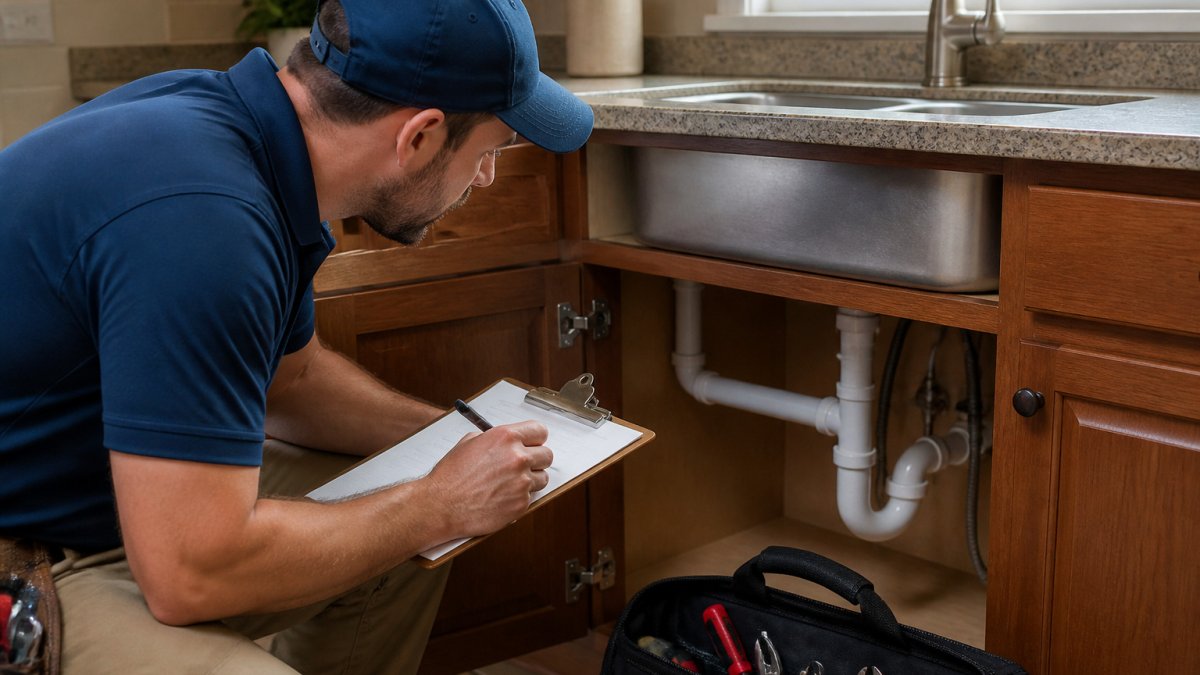
- Clear access to each work area the night before, including moving furniture away from walls and emptying the cabinet under the sink.
- Put the parts you already bought in one labeled box with the receipt, and note on the list which items have materials on hand.
- Photograph each issue and text the photos with the numbered list so the handyman can confirm tools and materials before arriving.
- Note any pets, parking constraints, or gate codes in the booking message.
- Confirm who will be home and whether the handyman needs a signature or payment at completion.
Watch out: a list that mixes a Tier 1 safety item with a long tail of cosmetic tasks can pressure the handyman to rush the safety repair to fit everything in.
Book Your Multi-Repair Visit With a Veteran-Owned Handy Horrigan Team
Bundling your repairs into one visit saves money and time, but only with a clear scope and the right pro. Handy Horrigan LLC is a veteran-owned handyman service providing electrical work, plumbing, general home repairs, and installations. We offer a 10% discount to military personnel and manage projects from start to finish.
If you're weighing whether a veteran-owned service is right for you, read are veteran-owned services worth hiring before you decide. Contact Handy Horrigan LLC through our website for current pricing or a quote.
Frequently Asked Questions
Is it cheaper to hire a handyman for multiple repairs at once?
Usually yes. Most handymen charge a minimum visit fee or a trip charge, so combining several small jobs into one appointment spreads that cost across more work. You also avoid paying the hourly rate for setup and cleanup multiple times. The savings are largest when the jobs are in the same room or area, since the handyman moves between them without travel time. Ask for a single estimate covering the whole list so you can see the bundled price before you commit.
How do I know whether a repair needs a licensed contractor instead of a handyman?
Permit-required work and anything involving the electrical panel, gas lines, or major plumbing changes usually needs a licensed specialist. Electrical and plumbing work beyond simple replacements often falls under licensing rules, so ask upfront. A good handyman will tell you when a job is outside their scope rather than take it on. For minor swaps like a door knob, a faucet, or wall patching, a handyman is the right call.
Should I get a written estimate for several handyman jobs?
Yes. A written estimate for multiple repairs should list each task, the labor and materials breakdown, and the total. It protects you if the scope changes mid-visit and makes it easy to compare quotes from different providers. Ask whether the estimate is fixed or hourly, and confirm how change orders are handled if a job turns out bigger than expected. Keep the signed copy for your records.
How should I make a list of repairs for a handyman?
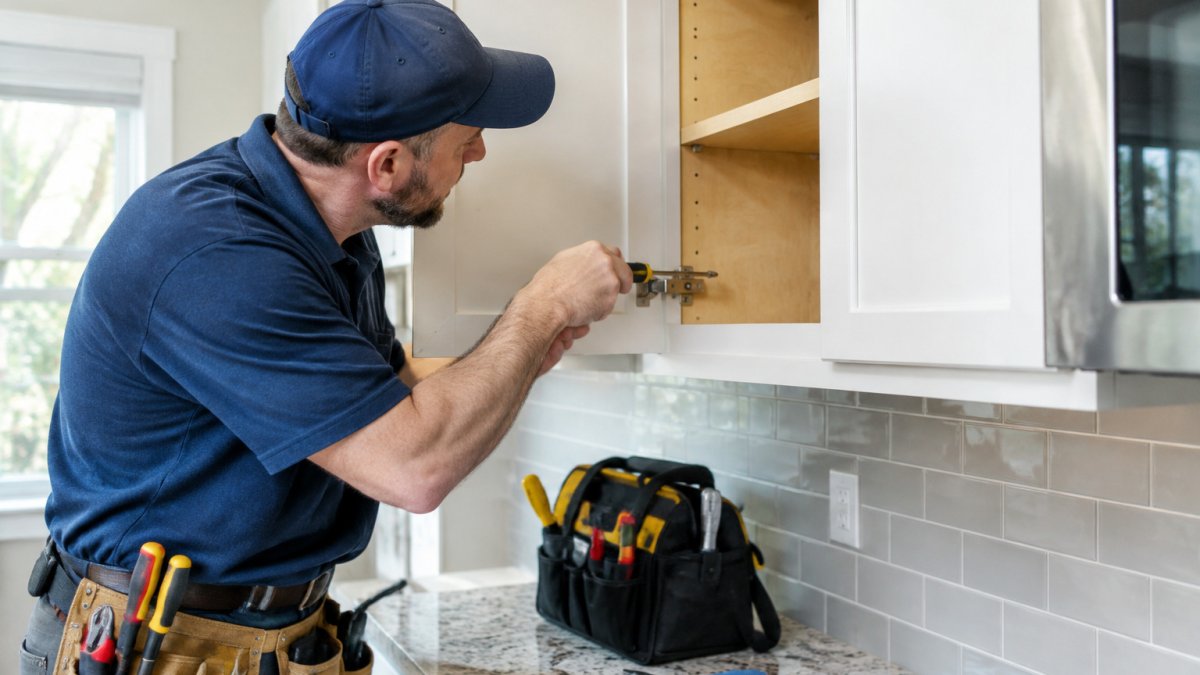
Walk through every room and the exterior, writing down each issue as you see it: the sticking door, the cracked trim, the loose cabinet hinge, the patch of peeling paint. Group items by location so the handyman can work efficiently. Note anything that needs a photo or measurement. Send the list ahead of time so the handyman can quote accurately and bring the right tools and materials on the first visit.